Difference Between Brie and Camembert
Brie and Camembert are two of the most popular soft cheeses, both originating from France. They may look and taste similar, but they have distinct differences in texture, flavor, and production methods. This guide will help you understand how they compare and which one might be best for your taste preferences.
Origin and History
- Brie: Named after the Brie region in France, Brie has been made for centuries and was once known as the “King of Cheeses.”
- Camembert: Originated in Normandy in the late 18th century, Camembert was developed by Marie Harel and gained popularity worldwide.
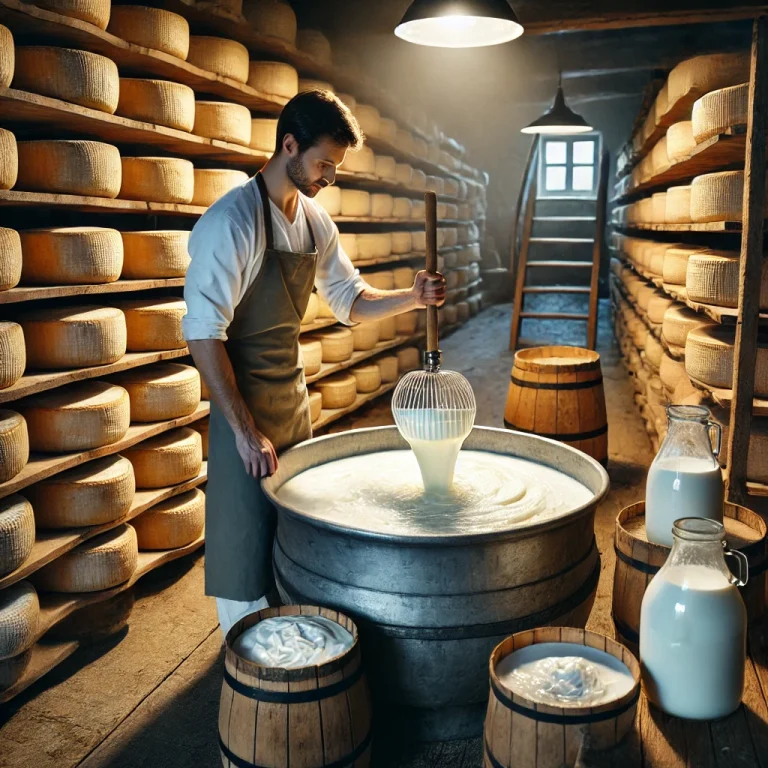
For more details on cheese-making traditions, visit How Cheese is Made.
Texture and Appearance
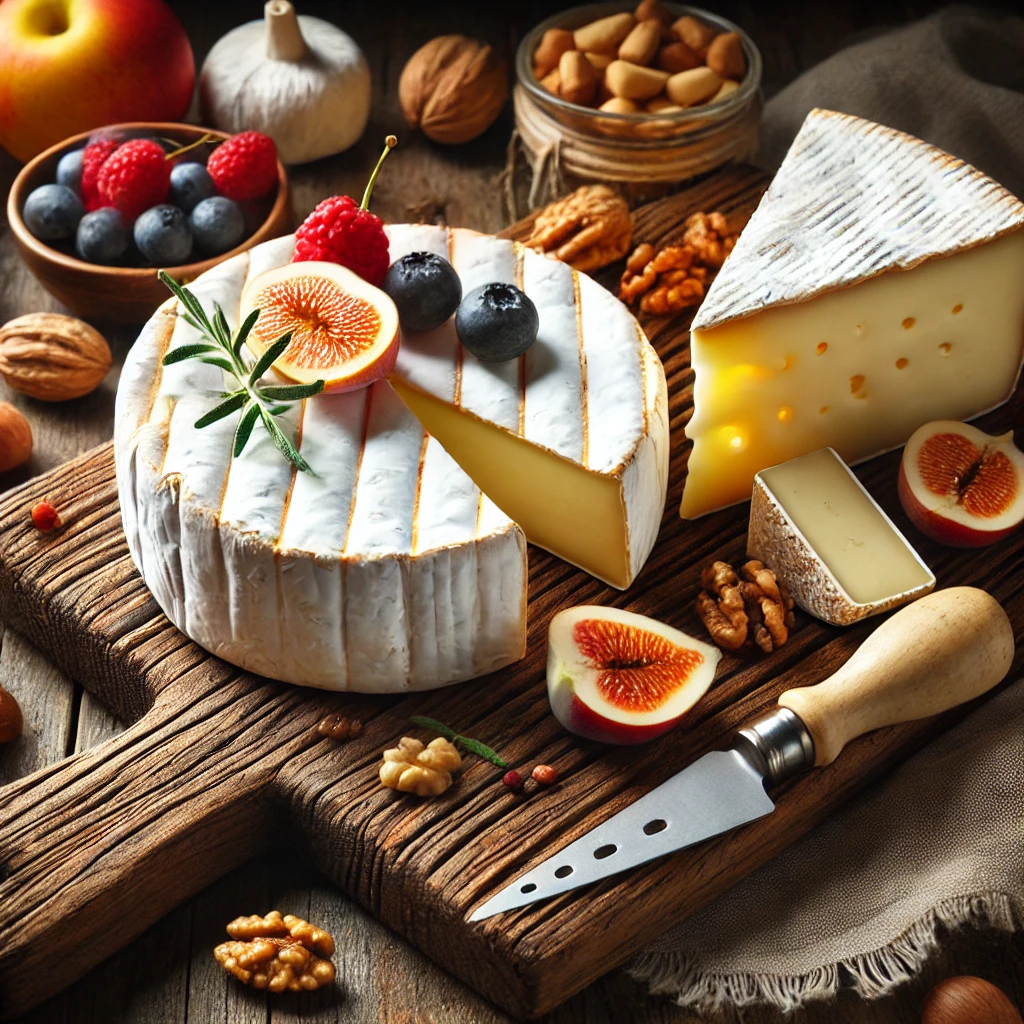
- Brie: Typically sold in larger wheels (9-14 inches in diameter), Brie has a creamy, soft interior with a white, bloomy rind.
- Camembert: Usually comes in smaller rounds (4-5 inches), with a denser, firmer texture when young, becoming softer as it ages.
Flavor Profile
- Brie: Mild, buttery, and creamy with subtle earthy notes. It becomes richer with aging.
- Camembert: Stronger, more intense, and slightly more pungent than Brie, offering a deeper earthy and mushroomy flavor.
Want to try both? Browse our selection: Buy Cheese Online.
Production Differences
- Brie: Often made with added cream, making it slightly richer in texture.
- Camembert: Uses a different aging process, resulting in a stronger flavor.
- Rind Development: Both cheeses develop their signature white mold rind, but Camembert’s rind is typically thicker and more pronounced.
Pairing Suggestions
- Brie: Pairs well with fruits (grapes, apples), light wines (Chardonnay, Champagne), and nuts.
- Camembert: Best with bolder flavors like garlic, robust red wines (Pinot Noir, Bordeaux), and crusty bread.
For more pairing ideas, check out our Cheese & Wine Pairing Guide.
How to Serve and Store
- Serving: Both cheeses should be served at room temperature to enhance their creamy texture.
- Storage: Store in wax paper or a cheese box in the fridge to maintain freshness.
To learn more about proper cheese handling, read How to Cut and Serve Cheese Like a Pro.
Conclusion
While Brie and Camembert share many similarities, their differences in size, texture, and taste make them unique. Whether you prefer the mild creaminess of Brie or the bold earthiness of Camembert, both are excellent choices for any cheese lover.
Try both today: Shop Now.